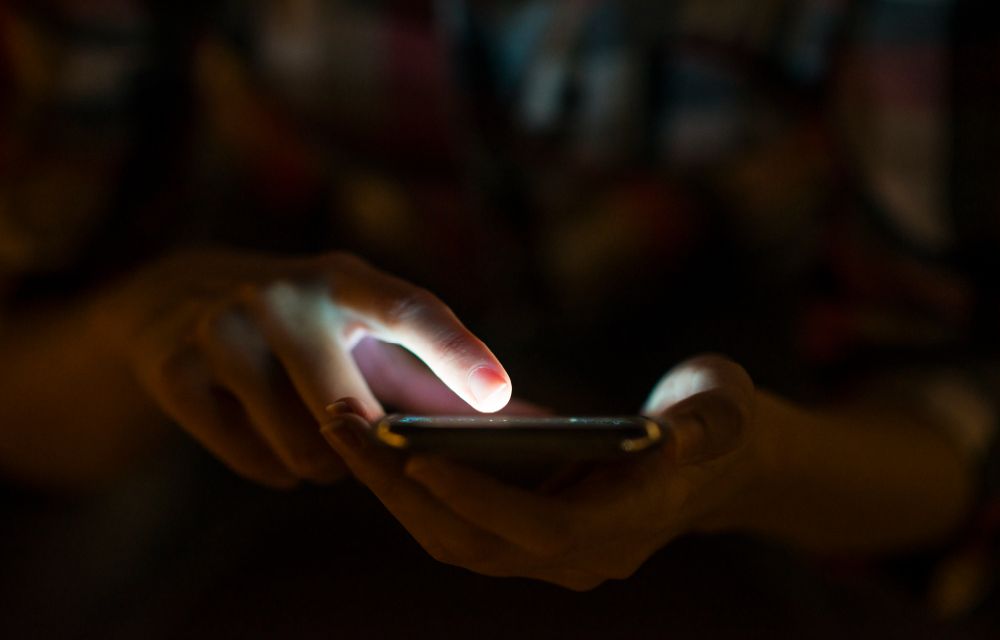
Scroll, scroll, scroll. It’s the mindless activity we do more than our daily priorities. Social media completely changed how we see the world, but the information overload hits hard. Too much content floods our screens every minute: news, ads, opinions, and memes, and it leads to information fatigue. We’re not just consuming; we’re drowning in digital noise that leaves us drained and distracted.
This isn’t some vague complaint. Studies show our attention span dropped from 12 seconds in 2000 to just 8 seconds today shorter than a goldfish. Constant notifications and infinite feeds train our brains for quick hits, not deep focus. You start a task, but your phone buzzes. Check it. Another reel. Another headline. Back to work? Nope, mind’s already scattered.
The effects creep in slowly. Lack of focus becomes normal; you can’t read a full article or finish emails without wandering. Irritation builds from simple things: a slow conversation, waiting in line, even quiet moments feel wrong. Your brain craves the dopamine rush of likes and alerts. Worse, too much negative information spreads silently. No online sensor catches the quiet doomscrolling, fearful posts, or angry debates and crisis headlines. Algorithms love drama; they push what keeps you hooked, not what helps you grow.
Recent research backs this up. Microsoft’s 2025 attention report found 47% of workers feel overwhelmed by digital info, with burnout rates up 30% since 2020. Neuroscientists at Stanford note our brains now process 74 GB of info daily, equal to 16 movies. No wonder productivity is damaged and mental health suffers.
Signs you’re burning out:
-
Decision paralysis: Too many choices freeze you (Netflix, anyone?).
-
Memory fog: Can’t recall what you read five minutes ago.
-
Restless scrolling: Even bedtime turns into Twitter activity loops.
-
Mood swings: One viral issue ruins your whole day.
The good news? You can fight back with simple changes.
Quick fixes to reclaim focus:
-
Time block your feeds—set 20-minute windows, twice daily. Use the Freedom or Focus@Will apps.
-
Curate ruthlessly—unfollow 50 accounts this week. Keep only value-add creators.
-
Go grayscale—turn your phone gray. Candy colors trigger addiction.
-
Read long-form—one article deeply beats 50 headlines shallowly.
-
Digital sunset—no screens 90 minutes before bed. Read paper books instead.
Business owners, this hits harder. Information fatigue kills decision-making. Clients miss emails in the noise. Teams lose clarity. Protect your mind like your revenue schedule’s “focus hours” with Do Not Disturb.
Start small. Delete one app today. Notice how your shoulders relax. Your brain will thank you.
FAQ: Information Fatigue Explained
1. What exactly is information fatigue?
It’s mental exhaustion from too much digital content social media, news, ads causing distraction, anxiety, and burnout.
2. How does social media cause shorter attention spans?
Endless scrolling trains your brain for quick dopamine hits, shrinking focus from 12 seconds (2000) to 8 seconds now.
3. What are the biggest signs of information overload?
Poor concentration, decision paralysis, constant phone checking, irritation at normal tasks, and memory fog.
4. Why does negative content spread faster online?
Algorithms prioritize emotional/controversial posts they boost engagement (likes, shares, comments) over calm content.
5. How can I reduce information fatigue quickly?
Set feed time limits, unfollow noise accounts, turn phone grayscale, read long articles, and avoid screens before bed.