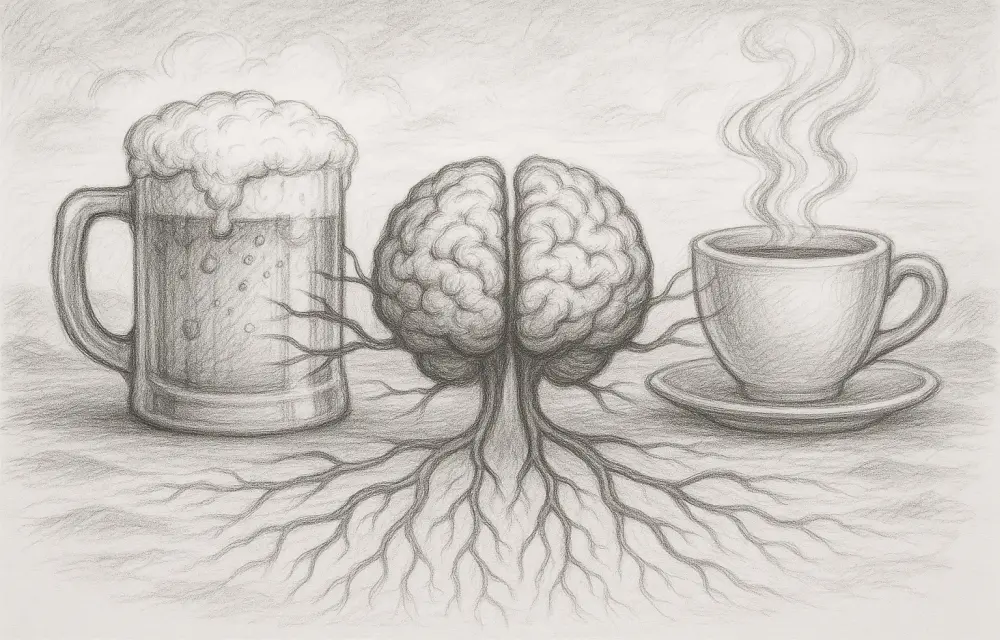
A spark is harmless until it finds fuel. Human consciousness: every initiative is a spark, and attention is the oxygen that turns it into flame. One reel, one rumor, and one shout in a stadium set off a precise sequence (understand here very clearly): attention ignites emotion, emotion hardens into habit, and habit calcifies into identity.
That is a chain reaction initiation, propagation, and increase rolling through thoughts, feelings, and behavior until it becomes culture we mistake for choice. Interrupt the first link and the fire dies; let it run and it consumes judgment, time, and even values. In India’s age of feeds and fandom, cricket highs, cinema worship, gossip loops, and the celebrity‑to‑politics pipeline, this chain reaction doesn’t just shape weekends; it scripts worldviews.
The rare person who masters the initiation point of what to let in masters the flow that follows: attention, mood, decisions, and direction. Control the first spark, and the blaze belongs to purpose, not spectacle.
The Adrenaline of Fanism
Back in my intermediate days, I attended a political rally, and the fire, energy, and enthusiasm I witnessed were on another level. At just 17, my mind was full of aspirations and countless thoughts.
After the rally, I asked myself, what truly drove me to be part of it? The answer was simple: it was a pure fanboy moment, nothing more. I had spent nearly two days planning, and afterward, when I discussed the experience with my friends, the excitement was still fresh. The roaring bikes, blaring horns, and sheer speed created an adrenaline rush that was impossible to ignore.
This feeling wasn’t mine alone; such raw energy excites and influences others too, showing how powerful and contagious fanism can be.
Chain Reaction
The chain reaction starts innocently: a clip of a six, a teaser drop, a gossip snippet, and a trending hashtag. Each reaction adopts attention, attention magnifies emotion, emotion seeks validation, and validation encourages habit. Over time, habits harden into reflexes: reflexive scrolling, reflexive defending of idols, and reflexive outrage at strangers. This is how thoughts, feelings, anger, and fandom combine into a self-reinforcing loop. Break the loop with awareness, and the entire force loses momentum; let it run, and it becomes a lifestyle that poses as loyalty.
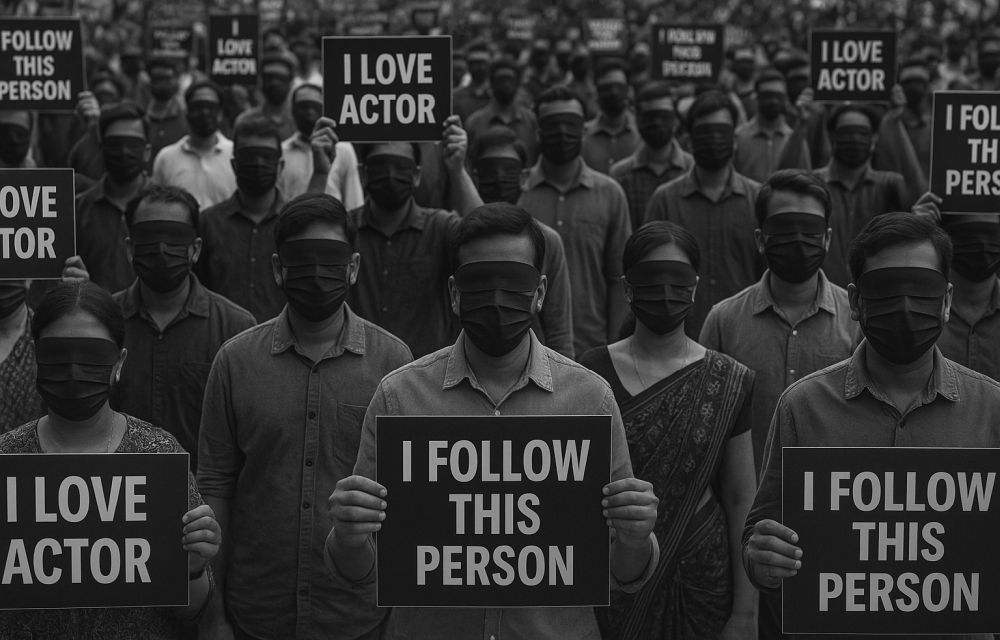
India’s focused zones of fan energy cricket, movies, and gossip form the most visible theaters of this loop. Idolizing actors morphs admiration into allegiance; stadium chants and box office hysteria become rituals of belonging. When entertainers cross into politics, the chain reaction acquires power: charisma translates into votes, spectacle stands in for scrutiny, and the emotional brand eclipses public policy. It’s not that passion is wrong; it’s that passion, unexamined, becomes programmable. And in the age of feeds and filters, many are believing whatever the feed serves, mistaking virality for validity.
This is where the reality check matters. What does a decade of intense fandom actually deliver to personal development skills, flexibility, and opportunity, or primarily moments of dopamine and a sense of being on the “right” side of a crowd? Show one person who became successful by idolizing actors and entertainers alone. Success comes from emulating discipline, learning craft, and building value, not from absorbing charisma. Fans often confuse correct selection with correct direction:
My star has a huge fan base; therefore, my choice is right.” That’s social proof, not self-proof. It soothes the mind, but it doesn’t build any value to your life.
The adverse effects are subtle but compounding. Time allocated to passive consumption displaces time for learning and making. Emotional energy spent defending or deriding celebrities drains the capacity for deep work and healthy relationships. The nervous system adapts to constant stimulation, shorter attention spans, and heightened reactivity, making calm focus feel boring and growth feel slow. Meanwhile, the implicit message to the next generation is clear: attention is achievement, fame equals authority, and tribe trumps truth. Children don’t just hear content; they inherit priorities.
Will society accept me?
“Will society accept me if I don’t idolize this actor?” That question reveals the real gatekeeper: fear of social exclusion. But culture only shifts when enough people choose values over fake vibes. There is dignity in opting out, valuing creators over celebrities, craft over domination, and mentorship over myth. The truer question is: what community accepts the version of self that is curious, disciplined, and free from performative allegiance? Those circles exist in makerspaces, learning cohorts, local arts, volunteer groups, and founder communities where belonging is earned by contribution, not by cheering.
Antidote to fanism
The antidote to fanism’s chain reaction is not negative; it’s conscious curation. Five practical steps can break the loop:
- Replace passive thoughts with active creation: write, code, edit, compose, and build.
- Convert admiration into practice: study the routines, not the reels; copy the discipline, not the drama on the screen.
- Use gossip for inquiry: read one long-form piece for every ten short clips. And fact-check the information of the reel.
- Audit inputs: unfollow outrage accounts; subscribe to creators who teach, not just trend.
- Reframe identity: from “fan of X” to “student of Y” (a domain, a craft, a mission, etc.).
Life is precious, so don’t waste your energies that are not giving back any. Love your parents; they are the real heroes of your life. Admire your friends who support you in your life. When attention is invested rather than spent, the chain reaction flips: one deliberate choice triggers better habits, better habits compound into capability, capability earns confidence, and confidence reduces the need for borrowed glory. Control the first link that enters consciousness, and the rest of the chain aligns. Passion then becomes fuel for progress, not a substitute for it.