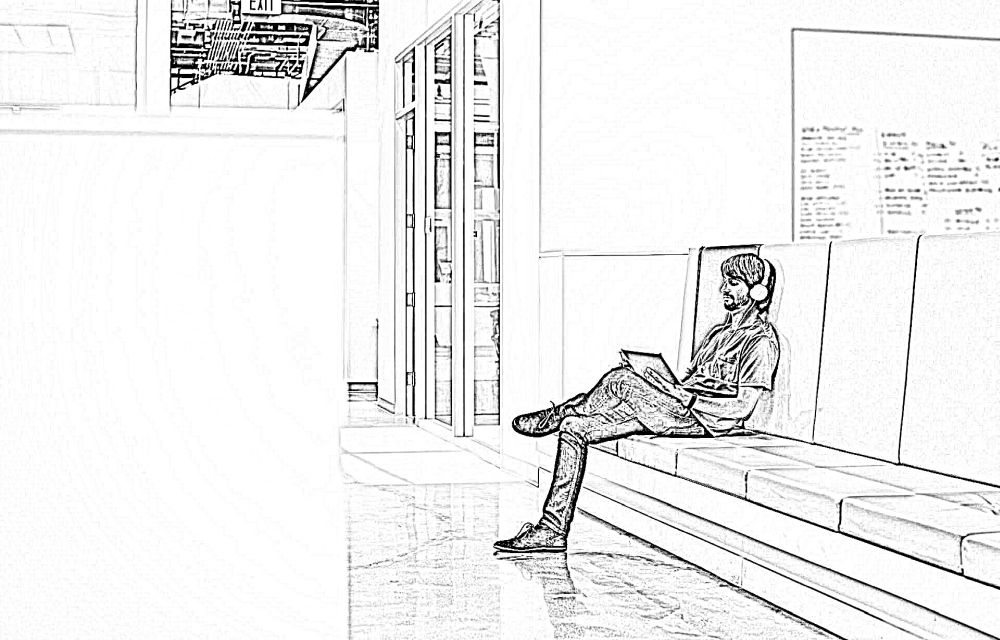

Some days pass like a breeze. Some days crawl like a passenger train. Time keeps the same speed, yet the mind plays its own tune. A slow day can feel like a blessing when life is kind and a burden when things go wrong. Still, a slow day carries quiet lessons. It invites softer eyes, lighter steps, happy breath and a kinder voice inside. It reminds us that living well is not only about rushing ahead but also about pausing, noticing, and breathing with good observations.
Slow mornings, when they arrive, feel like small festivals. There is no alarm from the world, just the gentle sound of coffee cups and rain on the window. The city still moves, but the heart walks. A slow morning allows a little space between thoughts. It becomes easier to taste the first sip of coffee, to listen to a favourite song fully, to write a quick note in a diary. In that space, the day gathers meaning before it gathers speed.
Of course, slow days are not regular visitors. In this busy, always-on life, it is hard to experience slowness without guilt. Work calls and notifications blink, and there is always something “urgent.” But the mind pays a price for the constant sprint. Without pause, creativity dries up, patience thins, and joy becomes a checklist item. A slow day is the antidote. It is not laziness; it is maintenance. Like oiling a bicycle chain, it keeps the ride smooth and safe for the long road ahead.
Rainy slow days bring a special peace. The sky lowers its voice, and even the streets speak softly. The rain writes its own poetry on roofs and leaves. The light becomes kind, and the air smells new. On such days, reading feels deeper, music sounds warmer, and naps land without apology. The house becomes a little world, and the window becomes a movie screen. It is easy to be grateful then—for shelter, for warmth, and for the luxury of doing one thing at a time.
For a content writer, a slow day is not a luxury; it is a tool. Words need room to breathe. Mood needs time to arrive. Good music sets the rhythm, a clean desk sets the tone, and a good cup of coffee sets the courage. When the world slows, sentences find their flow. The mind can wander without getting lost. Research becomes curiosity, not pressure. Drafts grow patiently, and edits become gentle polishing instead of hurried cuts. The result is not just better writing but kinder writing—clear, simple, and honest.
There is also a quiet truth: a slow day is not always sweet. When things go wrong, the same slowness can feel like a test. The clock seems stubborn, the mind loops on worries, and every minute stretches like rubber. On such days, the trick is to make the day smaller. Break it into very simple steps—make the bed, drink water, take a short walk, write one paragraph, and answer one message. Small wins build a little bridge across heavy hours. The day may still be slow, but it becomes bearable, even useful.
Practising slowness is a skill, and it can be learned in tiny ways. Start by protecting mornings—no rush scrolling for the first half hour. Sit with tea or coffee and look out of the window. Keep a “slow playlist” handy: tracks without noise, with steady beats and warm instruments. Keep a “slow corner” at home: a chair with good light, a plant, a notebook. Step outside for a ten-minute walk without headphones and name five things seen for the first time today. These small habits invite patience back into daily life.
Slow days also have a social side. When a conversation is not rushed, people say what they really mean. When a meal is not hurried, flavors have time to speak. When a friend is heard without checking the phone, trust grows. Slowness deepens relationships the way simmering deepens flavour. The same hour can hold more life when it is not split into a thousand pieces.
In the end, a slow day teaches balance. Life will always have deadlines and sprints. But the body is not a machine and the mind is not a dashboard. Rest is part of work, and pause is part of progress. A slow day is a reminder that productivity is not the only measure of a good life. Peace, presence, and play also count. If the world refuses to slow down, it becomes our small responsibility to slow ourselves down, at least for a while, at least once in a while.
So when the next slow day arrives, welcome it. Light a lamp, play a calm song, brew coffee, and open a fresh page. Let the rain, if it comes, keep time for the thoughts. Let sentences find their way without force. Let the day be simple and long, like a friendly road. At night, when the lights go low, the mind will thank the hours for moving gently. And the next busy day will feel a little kinder, a little easier, because of this one.
Actually a slow day is a long……………………………………………… day.